Understanding Your Garage Door System Components
To effectively diagnose your garage door system, it is essential to understand its main components and how they function together. A garage door comprises mechanical parts like springs, rollers, and tracks as well as electronic elements such as garage door repairs surfers paradise sensors, motors, and control panels. Familiarity with these parts enables accurate troubleshooting and repair decisions.
- Garage Door Sensor: Detects obstructions to prevent accidents. Motor Unit & Opener Motor: Powers the opener mechanism for smooth door movement. Remote Control & Wireless Receiver: Enables wireless operation of the garage door. Control Panel & Wall Switch: Provides manual input options inside the garage. Trolley Mechanism & Drive Shaft: Transfers motion from the motor to the door. Garage Door Springs (Torsion & Extension): Provides counterbalance force to assist door lifting. Cable Drums & Pulleys: Guide the cables that support door weight during operation. Safety Beams & Photo Eye Sensors (Electric Eye): Infrared sensors that detect objects or people in the door’s path. Opener Gears & Limit Switch: Control movement range and provide smooth torque transfer. Roller Wheels & Door Tracks: Facilitate guided movement of the door panels. Battery Backup & Circuit Board: Ensure power supply continuity and control logic. Keypad Entry & Keypad Lock: Allow secure external access with programmable codes. Hinge Pins & Weather Seals: Maintain door panel connection and weather protection. Vibration Dampers & Noise Reduction Features: Minimise operational noise and wear.
Understanding these components gives you the foundation to diagnose common faults efficiently.
Key Components Explained
- Torsion Spring: Mounted above the door, provides balanced lift force. Extension Spring: Located along the door tracks, stretches to assist opening. manual Release: Allows manual operation when power is off. Deadbolt Lock: Adds extra security locking the door firmly. Motor Brushes: Wear over time affecting motor efficiency. Door Balance: Ensures smooth lifting without motor strain. Sensor Alignment & Safety Sensor: Critical for safe automatic reversal. Remote Receiver & Automatic Reverse: Controls signal reception and safety reverse action.
Common Garage Door Problems and Diagnostic Symptoms
Garage door systems may present various issues ranging from simple sensor misalignments to complex motor faults. Recognising symptoms helps narrow down potential component failures.
- Noise Issues: Grinding, squeaking, or banging noises indicate wear or lubrication problems. Failure to Open/Close: Could result from motor faults, broken springs, or sensor obstruction. Intermittent Operation: Often caused by remote control issues or electrical wiring problems. Sensor Misalignment: Safety beams or photo eye sensors out of alignment trigger reversible actions or prevent closing. Motor Overheating: Indicates excessive strain or internal damage. Remote Control Unresponsiveness: May stem from battery depletion, wireless interference, or faulty receiver. Breaker Trips: Electrical shorts or overloads within the opener system cause frequent circuit breaker trips. Door Uneven Movement: Suggests spring imbalance, cable issues, or worn rollers. Safety Beam Blockage: Dirt, debris, or insects obstruct sensor beams causing operational halts.
Diagnosing Motor and Mechanical Issues
- Motor Unit Fault Codes: Some openers display fault codes indicating specific motor or circuit problems. Torque Settings: Incorrect torque can either prevent door movement or cause motor strain. Opener Gears Wear: Damaged gears affect smooth operation and generate unusual noises. Chain Drive vs Belt Drive Issues: Chain drives may require tension adjustments; belt drives can degrade or snap. Pulley System Problems: Worn pulleys reduce cable effectiveness and cause jerky movements. Roller Wheels Wear: Deformed or dry rollers increase friction and noise.
Diagnosing Sensor and Electrical Problems
- Photo Eye Sensor Blockage: Clean lenses and ensure sensors face each other at correct height. Infrared Sensor Faults: Check wiring harness and sensor condition for damage or disconnection. Battery Backup Status: Inspect batteries regularly and test backup functionality during outages. Wireless Receiver Troubles: Signal interference or antenna damage leads to intermittent response. Circuit Board Errors: Inspect for burn marks or loose connections; replacement may be needed. LED Indicator Signals: Learn your opener’s LED patterns to identify error types quickly. Wiring Harness Damage: Look for frayed wires or corrosion affecting communication between components.
Step-by-Step Garage Door System Diagnostics Procedure
Follow these precise steps to systematically diagnose your garage door system safely and effectively:
- Safety Precautions: Disconnect power before inspecting the motor or electrical parts. Wear gloves and eye protection when handling springs. Gathering Tools: Screwdrivers, multimeter, ladder, lubricants, cleaning cloth, and garage door diagnostic software if available. Initial Visual Inspection: Check door panels, tracks, rollers, hinges, and springs for obvious damage or wear. Testing Remote and Control Panel: Verify responsiveness and replace batteries if needed. Checking Sensor Alignment: Ensure safety beams and photo eyes face each other directly and their lenses are clean. Inspecting Springs and Cables: Look for breaks, rust, or slackness in torsion/extension springs and cables. Motor Unit Diagnostics: Observe for unusual sounds, overheating, or error codes; test voltage and current draws as applicable. Limit Switch Testing: Adjust limit settings to confirm the door stops at fully open and close positions correctly. Assessing Safety Beams: Test automatic reversal by placing an object in the door's path during closing. Reviewing Fault Codes via Diagnostic Software or LED Indicators: Use manufacturer-specific software or interpret LED flashing sequences to identify faults precisely.
Using Diagnostic Software and Reset Functions
Modern garage door openers often incorporate diagnostic tools accessible via dedicated software or keypad programming:
- Resetting the System Via Reset Button: Locate the reset button on the control panel to clear error states and restart the system. Interpreting Fault Codes: Refer to the user manual or software guide to decode LEDs or digital error messages for focused troubleshooting. Keypad Programming for Diagnostics: Enter diagnostic modes to test sensors, motors, and memory functions through sequence commands on keypad locks or wall consoles.
When to Call a Professional
Certain repairs should always be performed by certified technicians to ensure safety and correct handling:
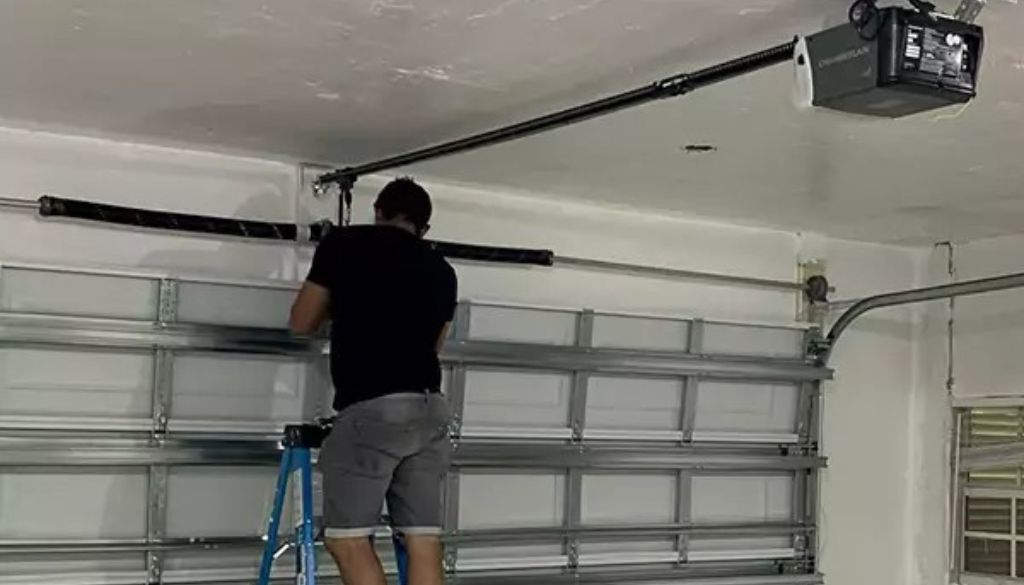
- Complex Mechanical Failures: Significant spring damage or door panel replacement involves risks best handled professionally. Electrical Wiring Concerns: Faulty wire harnesses, circuit boards, or power supply issues require expert diagnosis and repair. Torsion Spring Replacement Risks: High-tension springs can cause severe injury if not properly managed.
Maintenance Tips to Prevent Garage Door Issues
Routine maintenance significantly reduces unexpected breakdowns and extends the life of your garage door system.
- Regular Lubrication of Moving Parts: Apply lubricant to rollers, hinges, chains, and pulleys every six months. Cleaning Sensors: Wipe lens surfaces gently to prevent obstruction of safety beams. Checking Weather Seals: Replace cracked or damaged seals to avoid drafts and moisture damage. Balancing Door Panels: Test door balance by disconnecting the opener and manually moving the door halfway; it should stay in place. Inspecting Door Tracks: Clean and align tracks to ensure smooth roller movement. Noise Reduction Methods: Install vibration dampers and tighten loose components to minimise operational noise. Replacing Worn-Out Components: Timely replacement of springs, rollers, and batteries prevents sudden failures. Maintaining Battery Backup Systems: Test monthly and replace batteries according to manufacturer recommendations.
Garage Door System Upgrades for Improved Diagnostics and Performance
Enhance broken spring repair your garage door functionality and ease of maintenance with modern upgrades tailored to diagnostics and security.
- Smart Garage Integration: Connect your door opener to Wi-Fi for remote monitoring, alerts, and diagnostics via smartphone apps. Advanced Safety Sensors: Install infrared or laser sensors with higher accuracy and self-diagnostic features. Upgraded Remote Controls: Models with extended range, encryption, and diagnostic feedback improve reliability. Keypad Locks With Diagnostic Features: Enable real-time status updates and error alerts on access points. Noise and Vibration Dampers: Reduce wear and enhance operational quietness with advanced damping materials.
Frequently Asked Questions About Garage Door System Diagnostics
- What are the first signs that my garage door needs diagnostics? Common signs include unusual noises, slow or jerky door movement, unresponsive remotes, and safety sensor errors. How do I align garage door sensors correctly? Sensors should face each other horizontally around 4 to 6 inches above the ground with clean, unobstructed lenses. Can I safely diagnose and repair garage door springs myself? Diagnosing might be possible, but repairs, especially torsion spring replacements, carry risks and should be done by professionals. What do the different LED indicator lights mean on my garage door opener? LED patterns vary by model but typically indicate power status, sensor alignment, motor faults, or communication errors; check your manual. How often should I perform garage door maintenance? At minimum, conduct inspections and lubrication twice a year for optimal performance and longevity. Why does my garage door remote stop working intermittently? Causes include battery issues, wireless interference, or faulty remote receiver wiring. What causes a garage door to reverse unexpectedly? Misaligned safety sensors, obstacles in the door path, or incorrect force settings often trigger automatic reverse functions. How can I reset my garage door opener after an error? Use the reset button on the control panel or follow keypad reset procedures outlined in the user guide. Is it normal for the garage door motor to make noise during operation? Some noise is expected, but excessive grinding or rattling may indicate worn gears or lack of lubrication. How do I know when to replace my garage door batteries or backup system? Battery backups should be tested regularly and replaced every 3 to 5 years or when performance declines.
Our Sponsor
A1 Garage Doors Gold Coast
A1 Garage Doors Gold Coast is a Bundall-based garage door specialist serving the southern Gold Coast and surrounding suburbs with installation, repair, maintenance, and emergency garage door services. The company specializes in sectional doors, roller doors, garage door openers, spring and cable replacement, opener motor repair, smart-enabled installations, and 24/7 emergency call-outs across Robina, Burleigh Heads, Surfers Paradise, Nerang, Coomera, and the wider Gold Coast region.
Address:
1 Waterford Court,
Bundall,
QLD
4217,
Australia
Phone: (07) 5515 0277
Business Hours:
- Open 24/7 — Including After-Hours and Emergency Call-Outs
Follow Us: